Showing results for matt catts

Math Miniseries, Episode 1

Putting teacher voices at the center of math adoption, starring Matt Cash

In the first episode of a special Beyond My Years two-part math series, Ana chats with Matt Cash, director of elementary curriculum and instruction for Lake Elsinore Unified School District in California, about math leadership and change management. Matt shares his experiences helping move his district from a localized approach to a unified system to provide centralized resources, professional development, and assessment. Together, Matt and Ana discuss the importance of listening to educators during adoption processes, the power of creating systems that support teachers, and the best ways to build unity around instructional approaches. Matt also shares practical advice for educators navigating curriculum reviews and pilots. Before the episode’s end, Ana is joined by Classroom Insider Eric Cross, who reflects on how teachers can use their voices early in adoption processes, pilot with fidelity, and give themselves grace during implementation.

Meet Our Guest(s):

A man with short dark hair and a beard, wearing a suit and tie, smiles at the camera in front of a gray background, reflecting his passion for high quality instruction in the math classroom.

Matt Cash

Matt Cash is the director of elementary curriculum and instruction for Lake Elsinore Unified School District, where he supports schools in designing engaging, high-quality learning experiences for all students. A former classroom teacher, staff developer, principal, and assistant director of math, he brings a deep understanding of instruction, assessment, and leadership to his work with educators. He has spoken at multiple conferences about mathematics, leadership, and curriculum, and he’s passionate about helping educators create systems that get results.

Meet our host, Ana Torres.

Ana has been an educator for 30 years, working in both the K–8 and higher education sectors. She served as an administrator and instructor at various public and private colleges and universities and as a bilingual and dual language teacher, dual language math and reading interventionist, dual language instructional coach, assistant principal, and principal in K–8 schools. Ana is currently the Senior Biliteracy and Multilingual Product Specialist at Amplify, and delivers literacy and biliteracy presentations across the nation. Ana’s passion and advocacy for biliteracy and support for all students from all walks of life has led her to educate leaders, teachers, and parents about the positive impact of bilingualism and biliteracy in our world.

A woman with long dark hair and hoop earrings smiles at the camera while wearing a black blazer, standing outdoors—ready to discuss classroom challenges or share insights on her teacher podcast.
A man with short, closely-cropped hair and a trimmed beard smiles at the camera against a light gray background, ready to inspire diverse learners in the math classroom.

Meet our Classroom Insider, Eric Cross.

Eric Cross is a middle school science teacher who hopes to someday be a lifelong educator, like the guests on Beyond My Years! In each episode, Eric connects with host Ana Torres to discuss her guests’ best insights, gleaned from their long and rewarding careers in the classroom. Then, Eric talks about bringing some of their wisdom into his current classroom and busy life.

Quotes

“When you're removing variability out of your system, quality is going up.”

—Matt Cash

“Professionals are obsessed with the idea of getting better.”

—Matt Cash

“Advocate for your kids.”

—Matt Cash

“Mathematics is something that was discovered. It's universal. It's true.”

—Matt Cash

“Give yourself grace in year one, but stay engaged and keep asking for support.”

—Eric Cross

“Instead of quietly struggling and going back to old materials, put that energy into requests and make your voice heard.”

—Eric Cross

“Sometimes the buy-in comes when we understand things better.”

—Eric Cross

Amplify Science Overview Video

Amplify Science 6–8 Form F Citation Video

Spanish Resources

List of Amplify Science Spanish resources designed to support multilingual/English learner classrooms and all multilingual models.

NM Form F Correlations

Access your digital samples

For your digital review of Amplify Science 6–8, follow these steps:

  • Locate your Digital Review Flyer in the binder included with your print samples
  • Click the “Log in to 6-8 Amplify Science” button below
  • Enter the unique credentials found on your Digital Review Flyer
  • Start exploring!

Don’t forget to view the Amplify Science 6–8 Form F Citation Video above for navigation tips!

Technical Requirements & Support

Technical Requirements for Amplify Science 

For technical/digital support, contact:

Violet Wanta, VP Product Core Platform
Cell Phone: 203-980-2076
Email: vwanta@amplify.com

Program Knowledge & Additional Support

For program questions or additional support, contact:

 Matt Reed, VP Science
 Cell Phone: 347-668-4537
 Email: mreed@amplify.com

Amplify Science Overview Video

Ampify Science K–5 Form F Citation Video

NM Form F Correlations

Spanish Resources

Amplify Science Spanish resources designed to support multilingual/English learner classrooms and all multilingual models.

Access your digital samples

For your digital review of Amplify Science K–5, follow these steps:

  • Locate your Digital Review Flyer in the binder included with your print samples
  • Click the ‘Login to K–5 Amplify Science’ button below
  • Enter the unique credentials found on your Digital Review Flyer
  • Start exploring!

Don’t forget to view the K–5 Form F Citation Video above for navigation tips!

Technical Requirements & Support

Technical Requirements for Amplify Science 

For technical/digital support, contact:

Violet Wanta, VP Product Core Platform
Cell Phone: 203-980-2076
Email: vwanta@amplify.com

Program Knowledge & Additional Support

For program questions or additional support, contact:

 Matt Reed, VP Science
 Cell Phone: 347-668-4537
 Email: mreed@amplify.com

Amplify CKLA

To view this protected page, enter the password below:


New Mexico state reviewers: Welcome to Amplify Desmos Math 6–8!

Below you will find resources to guide your review.  Some tips for getting started:

  • For an overview of the program, start by viewing the Amplify Desmos Math Overview Video. 
  • Then, when you’re ready to log in and start your online review, view the 6–8 Form F Citation Video.
Two people on a bridge place numbered tiles on a balance scale, surrounded by math symbols, balloons, and geometric shapes.

Amplify Desmos Math 6–8 overview video

Ampify Desmos Math 6–8 Form F citation video

New Mexico Form F correlations

Access your digital samples

For your digital review of Amplify Desmos Math 6–8, follow these steps:

  • Locate your Digital Review Flyer in the binder included with your print samples.
  • Click the Login to 6-8 Amplify Desmos Math button below.
  • Enter the unique credentials found on your Digital Review Flyer.
  • Start exploring!

Don’t forget to view the Form F Citation Video above for navigation tips!

Technical requirements & support

Technical Requirements for Amplify Desmos Math 

For technical/digital support, contact:

Violet Wanta, VP Product Core Platform
Cell Phone: 203-980-2076
Email: vwanta@amplify.com

Program knowledge & additional support

For program questions or additional support, contact:

 Matt Reed, VP Science
 Cell Phone: 347-668-4537
 Email: mreed@amplify.com

New Mexico educators: Welcome to Amplify Science 6–8!

To view this protected page, enter the password below:


A powerful partnership

Amplify Science was developed by the science education experts at UC Berkeley’s Lawrence Hall of Science and the digital learning team at Amplify.

The logo for The Lawrence Hall of Science, University of California, Berkeley, features blue text on a light background and is recognized by educators using Amplify Science for middle school science programs.

The University of California, Berkeley’s Lawrence Hall of Science is a recognized leader in PreK–12 science education, producing groundbreaking curriculum products for more than 40 years, including the international award-winning Seeds of Science/Roots of Reading®. The Hall’s curriculum materials are used in one in four classrooms across the nation.

The word "Amplify" is written in large, orange letters with a period at the end on a light background.

Amplify has been pioneering digital education products for more than 15 years, empowering teachers across the country to offer more personalized instruction and accelerate the potential of their students to become more active, engaged learners. Amplify has supported more than 200,000 educators and three million students in all 50 states.

Instructional model

Amplify Science program is rooted in the proven, research-based pedagogy of Do, Talk, Read, Write, Visualize. Here’s how each element works:

DO
First-hand investigations are an important part of any science classroom, and Amplify Science has students getting hands-on in every unit, from building models of protein molecules to experimenting with electrical systems.

TALK
Student-to-student discourse and full class discussions are an integral part of the program. Students are provided with numerous opportunities to engage in meaningful oral scientific argumentation, all while fostering a collaborative classroom environment.

READ
Students read scientific articles, focusing their reading activities on searching for evidence related to their investigation, and importantly, on asking and recording questions as they read through fascinating texts on 21st-century topics.

WRITE
Following real-world practices, students write scientific arguments based on evidence they’ve collected, making clear their reasoning about how a given piece of evidence connects to one of several claims.

VISUALIZE
By manipulating digital simulations and using modeling tools to craft visualizations of their thinking— just as real scientists and engineers do—students take their learning far beyond the confines of what they can physically see in the classroom in an exciting and authentic way.

Year at a glance

Amplify Science is organized around units where students are introduced to compelling phenomena and real-world problems, develop and strengthen claims by collecting evidence and testing assumptions, and apply their learning in new contexts.

A chart displays science units by grade level, from Kindergarten to Grade 5, showing titles, type, number of lessons, and assessment days for each unit.
Amplify Science's Year at a Glance unit breakdown for grade six through grade eight

Inside an Amplify Science classroom

An infographic explains instructional methods for teachers and students, featuring icons for reading, hands-on activities, discussion, and modeling tools with brief descriptions.

Resources to support your review

Boost Reading

Boost Reading is a personalized reading program that students can’t wait to play. Whether they are just learning to read or mastering close reading, Boost Reading helps achieve off-the-charts reading growth in grades K–8.


Click here to play demo of Boost Reading K-5.

Target support for every student

Students come to school with a range of abilities and achieve mastery at different rates. Providing each learner with the specific support they need to progress can be challenging. Enter Boost Reading. 

Ready to learn more?

Fill out the form to begin your review or learn more about our Professional Development offerings.

Professional development

Existing business

  • United Arab Emirates
  • Oman
  • Kingdom of Saudi Arabia
  • Beirut

Contact your Amplify representative today

Matt Drury
mdrury@amplify.com
00971 52 9788789

Amplify Science earns an all-green rating from EdReports

Brooklyn, NY (December 5, 2023) Amplify, a publisher of next-generation curriculum and assessment programs, announced today that Amplify Science for grades K–5 earned an “all-green” evaluation from EdReports. Green ratings indicate that a curriculum meets expectations for every evaluation gateway of the EdReports review. The Amplify Science program for middle school grades (6–8) had already earned this rating as part of EdReports’ review of science curriculum in 2019.

Amplify Science is a K–8 science curriculum that blends hands-on investigations, literacy-rich activities, embedded assessments, robust teacher supports, and interactive digital tools to empower students to think, read, write, and argue like real scientists and engineers. Developed in partnership with the science education experts at UC Berkeley’s Lawrence Hall of Science, Amplify Science reflects state-of-the-art practices in science teaching and learning.

“We are honored to earn this all-green rating from EdReports in K–5 science education,” said Matt Reed, vice president of science at Amplify. “Educators are increasingly demanding high-quality instructional materials in their science classrooms. We hold ourselves to high standards in creating rigorous and highly engaging instructional materials where students can see themselves as scientists and engineers.”

Amplify Science is currently in use by more than five million students after launching in spring 2017 and has since been adopted by multiple state boards of education and thousands of school districts across the country. But don’t just take our word for it read reviews and success stories from K–8 science educators like you using Amplify Science in their classrooms.

EdReports is an independent nonprofit designed to improve K–12 education. EdReports.org increases the capacity of teachers, administrators, and leaders to seek, identify, and demand the highest quality instructional materials. Drawing upon expert educators, their reviews of instructional materials and support of smart adoption processes equip teachers with excellent materials nationwide.

About Amplify

A pioneer in K–12 education since 2000, Amplify is leading the way in next-generation curriculum and assessment. Our core and supplemental programs in ELA, math and science engage all students in rigorous learning and inspire them to think deeply, creatively, and for themselves. Our formative assessment products help teachers identify the targeted instruction students need to build a strong foundation in early reading and math. All of our programs and services provide educators with powerful tools that help them understand and respond to the needs of every student. Today, Amplify serves more than 15 million students in all 50 states and on six continents. For more information, visit amplify.com.

Media Contact
Kristine Frech
media@amplify.com

Independent study finds that Amplify Science K–5 fulfills mission of the Next Generation Science Standards (NGSS) and supports literacy instruction

Brooklyn, NY (December 11, 2023) – Amplify, a publisher of next-generation curriculum and assessment programs, announced the results of an independent study by the nonprofit research, development, and service agency WestEd. The results show that Amplify Science K–5 improves students’ proficiency with science and enriches their science vocabulary knowledge and usage. In addition, it shows that by using an integrated science and literacy curriculum, teachers in the early grades can dedicate significantly more instructional time to science while fostering the development of students’ reading skills.

WestEd researchers found that:

  • First grade students in classrooms that used Amplify Science significantly outperformed students in comparison classrooms on NGSS-focused three-dimensional learning and science vocabulary.
  • Students in classrooms that used Amplify Science performed similarly to students in comparison classrooms on a standardized assessment of reading at the end of the school year.

The study is among the first randomized controlled trials of curriculum for the NGSS in K–3 classrooms. The research focused on science instruction in 82 first-grade classrooms across three districts serving diverse populations. The report noted that most of the participating schools were Title I schools.

Amplify Science is the leading phenomena-based curriculum for grades K–8. The program blends hands-on investigations, literacy-rich activities, and interactive digital tools to empower students to think, read, write, and argue like real scientists and engineers. Amplify Science was developed by the science education experts at UC Berkeley’s Lawrence Hall of Science and the digital learning team at Amplify. As the Lawrence’s first curriculum designed to address three-dimensional science standards, Amplify Science reflects state-of-the-art practices in science teaching and learning. Each unit of Amplify Science engages students in a relevant, real-world problem where they investigate scientific phenomena, engage in collaboration and discussion, and develop models or explanations in order to arrive at solutions.

“We are thrilled to share this efficacy study of our NGSS-designed Amplify Science curriculum,” said Matt Reed, vice president of science at Amplify. “Students deserve access to high-quality, engaging, and equitable science instructional materials in elementary school. And most importantly, those materials must actually work. We hope these findings encourage elementary schools to adopt programs like Amplify Science that meet this high bar while also supporting the school’s literacy goals.”

About Amplify
A pioneer in K–12 education since 2000, Amplify is leading the way in next-generation curriculum and assessment. Our core and supplemental programs in ELA, math and science engage all students in rigorous learning and inspire them to think deeply, creatively and for themselves. Our formative assessment products help teachers identify the targeted instruction students need to build a strong foundation in early reading and math. All of our programs and services provide educators with powerful tools that help them understand and respond to the needs of every student. Today, Amplify serves more than 15 million students in all 50 states and on six continents. For more information, visit Amplify.com.

About WestEd

WestEd is a nonpartisan, nonprofit agency that provides a range of services—research and evaluation, professional learning, technical assistance, and policy guidance—for education and other communities. Working to promote success for every learner is WestEd’s main goal, and a steadfast commitment to equity, diversity, and inclusion is central to that work. To learn more, visit WestEd.org.

Contact: Kristine Frech; media@amplify.com

Season 9, Episode 4

Comprehension is not a skill, with Hugh Catts, Ph.D.

In this episode Susan Lambert is joined by Hugh Catts, Ph.D., professor at Florida State University, to break down what comprehension is and bust some myths about what it isn’t. With a family history of dyslexia, he has a personal connection to the topic that led him into research in language sciences and language disorders. He discusses how his findings moved him away from viewing comprehension as simply a “component of reading” but rather something entirely separate—a condition created over time, defined by purpose, and influenced by prior knowledge. Together, Susan and Hugh address many comprehension-related concepts, such as the Simple View of Reading, the five pillars of reading, and comprehension’s relationship to knowledge building. Hugh also gives listeners practical advice for helping students suss out their comprehension before reading, and he clarifies why understanding the standard of coherence is important.

Meet our guest(s):

Hugh Catts, Ph.D.

Hugh Catts’s research interests include the early identification and prevention of reading disabilities. He is a former board member of the International Dyslexia Association and former president of the Society for the Scientific Study of Reading. He has received the Samuel T. Orton Award, the International Dyslexia Association’s highest honor, and the Honors of the Association Award from the American Speech-Language-Hearing Association, for his career contributions in these disciplines. His current research concerns the early identification of reading and language difficulties and the nature and assessment of reading comprehension problems.

Meet our host, Susan Lambert

Susan Lambert is the Chief Academic Officer of Elementary Humanities at Amplify, and the host of Science of Reading: The Podcast. Throughout her career, she has focused on creating high-quality learning environments using evidence-based practices. Lambert is a mom of four, a grandma of four, a world traveler, and a collector of stories.

As the host of Science of Reading: The Podcast, Lambert explores the increasing body of scientific research around how reading is best taught. As a former classroom teacher, administrator, and curriculum developer, Lambert is dedicated to turning theory into best practices that educators can put right to use in the classroom, and to showcasing national models of reading instruction excellence.

Transcripts and additional resources

Show notes:

Follow Hugh on X: @CattsHugh

Read: Rethinking How to Promote Reading Comprehension by Hugh Catts

Transcript

Submit your literacy questions for a chance to win!

Read: The Simple View of Reading: Advancements and False Impressions by Hugh Catts

Quotes

If you learn how to swim, you can swim in a lake, a pool, an ocean, whatever. But that’s not the case for comprehension. You can’t learn to comprehend and then take that out into different situations for different purposes. You can learn some things that will help you, but in general, it’s the topic and purpose that are going to impact how well you understand something.

–Hugh Catts, Ph.D.

If I was going to define comprehension, it’s not a single thing. I mean, that’s the problem. We want it to be a single thing, but it depends upon what you’re reading and why you’re reading it.

–Hugh Catts, Ph.D.

What comprehension is is the interaction of what you bring into that reading situation and what you already know about it, and your motivation and purpose to comprehend it.

–Hugh Catts, Ph.D.

There’s just not enough mental reserve to be able to build that meaning that quickly. So it helps tremendously that you have some knowledge about it beforehand. That knowledge gives you a place to put information. So when you read about something, it gives you storage for the information. It’s kind of like a cubby hole that you put the mail in, in an office.

–Hugh Catts, Ph.D.

Power up your Science of Reading knowledge: 2024 podcast recap

Amplify’s Science of Reading: The Podcast won both Silver and the Listeners’ Choice Award in the education category at the 2024 Signal Awards! If you haven’t already, we hope you’ll join those who have helped catapult the podcast to more than six million downloads.

You’re welcome to binge-listen all 29 podcast episodes released in 2024, but here, we’ve selected a few to highlight for you.

The power of the Science of Reading

Some context: As you probably know, the Science of Reading is a much-researched area alongside the science of learning. Applying cognitive, neuroscience, and educational principles, it helps us understand and improve how students acquire and develop reading skills. This knowledge is essential because, while humans typically learn to speak naturally, reading (and writing) require formal instruction. According to the Simple View of Reading, reading comprehension is the product of both decoding and linguistic comprehension. So kids must be taught the relationships between sounds and letters, and how to decode words. Systematic instruction presents these skills in a logical order, explicit instruction goes beyond just “exposing” kids to words and texts, and cumulative instruction builds on skills learned before.

The episodes below are a great start to exploring the fundamentals of evidence-based instruction beginning in early literacy. You’ll hear about the importance of knowledge building, the symbiosis between reading and writing, and the power of multilingual learning, just to name a few topics.

The power of knowledge

Season 8 focuses on why knowledge is so critical for literacy development and how educators can empower students to build it.

Many of us (as students and educators) were taught or trained with comprehension framed as a skill. But award-winning researcher and author Sharon Vaughn, Ph.D., says (spoiler!) that comprehension is not a skill to be taught in a vacuum, but rather an outcome—of strong decoding, vocabulary, and background knowledge. “If students can’t read words or don’t know what they mean, emphasizing comprehension is just the wrong priority,” she says. Vaughn stresses the importance of systematically building background knowledge through coherent, high-level informational texts and relevant content lessons, enabling students to connect ideas and deepen understanding. By focusing on these foundational elements, educators can support comprehension and meaningful learning.

Episode 11: Cognitive load theory: Four items at a time, with Greg Ashman, Ph.D.

Drawing from his book A Little Guide for Teachers: Cognitive Load Theory, deputy principal and professor Greg Ashman argues that students need to build a strong foundation of knowledge in order to think and learn effectively. He challenges the idea of leaving students to “figure things out” on their own. “Kids are not little scientists,” he says, and advocates instead for structured instruction to build the schemas necessary for deeper learning.

Ashman also recommends reducing extra cognitive load—distractions that overwhelm working memory—and cautions against overrelying on approaches like “productive failure,” which can frustrate students who happen to lack relevant foundational knowledge. His advice: Use evidence-based methods and prioritize clear, incremental instruction.

The power of evidence-based literacy instruction

Season 9 dives deep into the key principles of and latest developments in the Science of Reading.

Episode 3: Know the non-negotiables in a program aligned to the Science of Reading, with Kari Kurto

Kari Kurto, national Science of Reading project director with the Reading League, discusses the organization’s curriculum evaluation tool designed to assess research-based practices in reading programs. Drawing from her experience teaching students with dyslexia, Kurto emphasizes the necessity of explicit, systematic instruction in phonics and (like Ashman) the importance of reducing extraneous cognitive load.

She says one must-have for any effective, evidence-based curriculum is explicit instruction in phonics through a clear scope and sequence, which ensures that students build foundational skills, such as phonemic awareness, in a systematic way. “No program is perfect, but understanding both its strengths and areas for improvement allows schools to maximize its impact,” she says.

Episode 4: Comprehension is not a skill, with Hugh Catts, Ph.D.

Hugh Catts, like Vaughn, continues to challenge us to rethink reading comprehension. “Comprehension isn’t the purpose of reading,” says Catts, a professor at Florida State University. “The purpose of reading is whatever you’re reading for.” Whether scanning for a fact, grasping the gist, or diving deep into a complex topic, comprehension varies based on the reader’s intent and context. He also urges educators to do what the evidence asserts: Move beyond isolated skill drills to content-rich instruction that builds knowledge and engages students meaningfully. Catts notes that comprehension grows over time, as students develop mental models and apply critical thinking in a variety of reading contexts.

The power of multilingualism

In this special miniseries, our podcast focuses on how the Science of Reading serves multilingual/English learners (ML/ELs).

Episode 1: Language is always an asset, with Kajal Patel Below

Kajal Patel Below, Amplify’s vice president of biliteracy, highlights why language is such a powerful asset, and how multilingualism is not a barrier, but a gift. “Literacy in a new language builds from literacy in the home language,” she says.

But that’s not—yet—the prevailing view. Multilingual and English learners often face challenges like being left out of research or misidentified in assessments. Below also notes schools focus too much on phonics and foundational skills, sometimes overlooking the equally important elements of language comprehension, vocabulary, and speaking skills.

With the number of multilingual learners growing fast in the U.S., Below calls for schools and educators to embrace bilingual education, create stronger resources, and celebrate the unique strengths these students bring to the classroom.

More to explore

Season 9, Episode 4

Comprehension is not a skill, with Hugh Catts, Ph.D.

In this episode Susan Lambert is joined by Hugh Catts, Ph.D., professor at Florida State University, to break down what comprehension is and bust some myths about what it isn’t. With a family history of dyslexia, he has a personal connection to the topic that led him into research in language sciences and language disorders. He discusses how his findings moved him away from viewing comprehension as simply a “component of reading” but rather something entirely separate—a condition created over time, defined by purpose, and influenced by prior knowledge. Together, Susan and Hugh address many comprehension-related concepts, such as the Simple View of Reading, the five pillars of reading, and comprehension’s relationship to knowledge building. Hugh also gives listeners practical advice for helping students suss out their comprehension before reading, and he clarifies why understanding the standard of coherence is important.

Transcripts and additional resources:

Read:
Rethinking How to Promote Reading Comprehension by Hugh Catts
Read:
The Simple View of Reading: Advancements and False Impressions by Hugh Catts

Meet Our Guest(s):

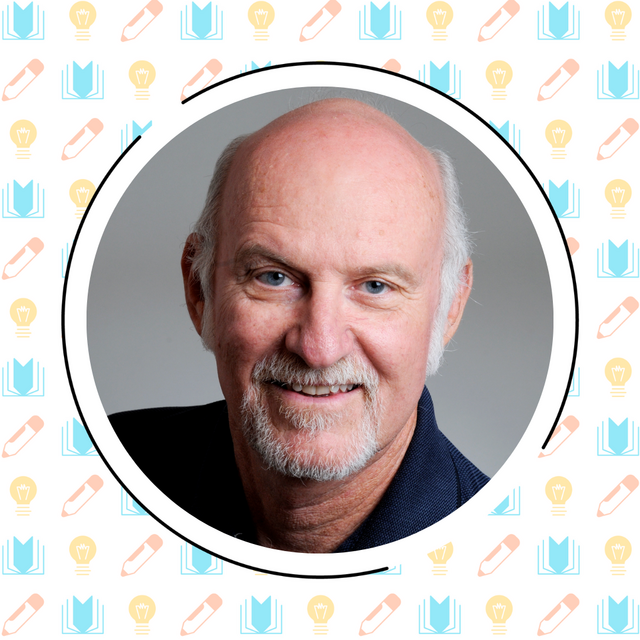
A bald man with a white beard and mustache is smiling at the camera, framed by a circular graphic with a yellow light bulb icon in the bottom right corner.

Hugh Catts, Ph.D.

Hugh Catts’s research interests include the early identification and prevention of reading disabilities. He is a former board member of the International Dyslexia Association and former president of the Society for the Scientific Study of Reading. He has received the Samuel T. Orton Award, the International Dyslexia Association’s highest honor, and the Honors of the Association Award from the American Speech-Language-Hearing Association, for his career contributions in these disciplines. His current research concerns the early identification of reading and language difficulties and the nature and assessment of reading comprehension problems.

Meet our host, Susan Lambert

Susan Lambert is the Chief Academic Officer of Elementary Humanities at Amplify, and the host of Science of Reading: The Podcast. Throughout her career, she has focused on creating high-quality learning environments using evidence-based practices. Lambert is a mom of four, a grandma of four, a world traveler, and a collector of stories.

As the host of Science of Reading: The Podcast, Lambert explores the increasing body of scientific research around how reading is best taught. As a former classroom teacher, administrator, and curriculum developer, Lambert is dedicated to turning theory into best practices that educators can put right to use in the classroom, and to showcasing national models of reading instruction excellence.

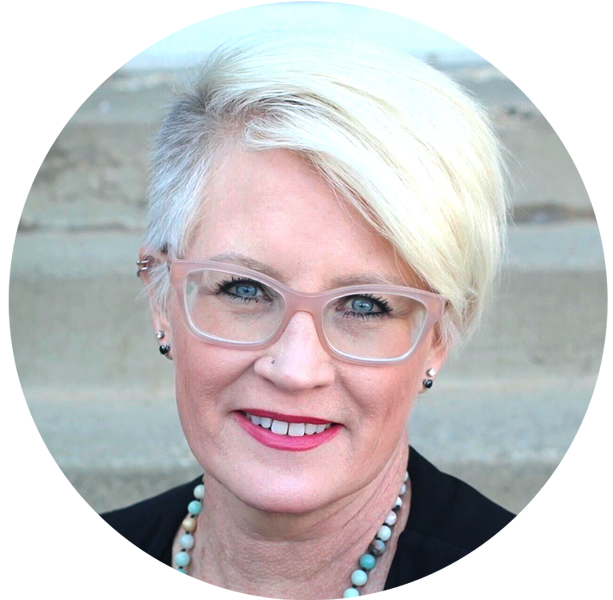
Portrait of a woman with short blonde hair, wearing glasses, a black top, and a necklace. She is smiling and facing the camera.

Quotes

“If you learn how to swim, you can swim in a lake, a pool, an ocean, whatever. But that's not the case for comprehension. You can't learn to comprehend and then take that out into different situations for different purposes. You can learn some things that will help you, but in general, it's the topic and purpose that are going to impact how well you understand something.”

–Hugh Catts, Ph.D.

“If I was going to define comprehension, it's not a single thing. I mean, that's the problem. We want it to be a single thing, but it depends upon what you're reading and why you're reading it.”

–Hugh Catts, Ph.D.

“What comprehension is is the interaction of what you bring into that reading situation and what you already know about it, and your motivation and purpose to comprehend it.”

–Hugh Catts, Ph.D.

“There's just not enough mental reserve to be able to build that meaning that quickly. So it helps tremendously that you have some knowledge about it beforehand. That knowledge gives you a place to put information. So when you read about something, it gives you storage for the information. It's kind of like a cubby hole that you put the mail in, in an office.”

–Hugh Catts, Ph.D.

Rethinking reading comprehension

Collage of educational web pages and images featuring children reading, book graphics, and the title “Understanding Comprehension: The Heartbeat of Literacy,” highlighting interactive lessons and free teaching resources.

Have you ever listened to a student read aloud fluently about something—say, the life cycle of sea turtles—only to discover afterward that they couldn’t explain a single thing about…the life cycle of sea turtles? It’s a familiar classroom moment, and it reveals how easy it is to misunderstand what comprehension really is.

Comprehension is often framed only as the product of reading: the answers students give when asked to find the main idea, identify a theme, or summarize a passage.

But the Science of Reading tells us that comprehension is more than an outcome. Comprehension is also a dynamic process that unfolds as readers move through a text, powered by the interactions among words on the page and the knowledge and reasoning they bring to it. That’s why we like to think of it as the heartbeat of literacy.

Why comprehension is both product and process

For decades, much of classroom instruction has focused on language comprehension products: the demonstrations of understanding that happen after reading. Those are important, but they don’t tell the whole story.

That’s because products depend on processes. If students do not build a coherent mental model of what they’re reading—while they’re reading—they may succeed at reading, but not at comprehending.

This is the missing link that researchers like Hugh Catts, Ph.D., and Jane Oakhill, Ph.D., have revealed: Comprehension isn’t something readers suddenly have at the end of a passage. It’s also something they do all along the way.

What comprehension processes look like

Comprehension processes are the mental moves students make to construct meaning as they read. All students need explicit instruction and practice in order to learn to do this automatically. Some of the most important processes include:

  • Inference-making: Filling in gaps the author leaves unsaid. If a story says “Carlos forgot his umbrella and got wet,” readers must supply the missing piece: It rained.
  • Anaphora resolution: Figuring out who pronouns such as he or she refer to. For instance, in a passage where “Charmaine passed the ball to Kendra, and she scored,” not all readers may track that she refers to Kendra.
  • Monitoring meaning: Noticing when something doesn’t make sense and rereading to fix it. Think of a student breezing through a science lab procedure but not realizing they’ve misunderstood a key step.
  • Recognizing connectives: Using words like because, however, or meanwhile to understand how ideas fit together in a text about history, math, or literature.
  • Visualizing: Building a mental picture—whether that’s of how a caterpillar becomes a butterfly, or how a character’s feelings shift across a story.

When these processes don’t happen, comprehension breaks down—even for students who can decode fluently. That’s why teaching comprehension can’t mean just assigning comprehension questions. It has to mean teaching students how to think with text in real time.

The role of knowledge and writing

Processes don’t exist in isolation. They depend on, and are strengthened by, what students already know and what they can express in writing.

  • Knowledge: The more background students bring to a text, the easier it is for them to make inferences and connect ideas. A child who already knows a little about baseball will understand a passage about a pitcher’s strategy much more readily than one encountering the game for the first time.
  • Writing: Writing about reading reinforces comprehension. When students summarize a biography in their own words, draft a response to a novel, or synthesize ideas from multiple sources, they are practicing the very processes—like making connections and organizing ideas—that skilled readers rely on.

This interplay—reading feeding knowledge, knowledge feeding comprehension, writing reinforcing both—creates a cycle of literacy growth that goes far beyond the end-of-text quiz.

Rethinking classroom practice

Working on individual comprehension skills can help in the short term. But long-term literacy success—for all students—requires explicit instruction and practice in all the comprehension processes needed to build comprehension products.

So what does it mean to teach comprehension as a process, not just a product?

Weaving effective instruction in comprehension strategies into everyday literacy work. A few examples:

  • Model your thinking. Pause mid-reading to ask, “Who does she refer to here?” or “That didn’t make sense—let’s go back.”
  • Highlight connectives. Teach words like although or consequently explicitly, showing how they signal relationships between ideas.
  • Promote monitoring. Encourage students to ask themselves, “Does this make sense?” and to reread when it doesn’t.
  • Build knowledge deliberately. Use content-rich texts in science, history, and the arts to give students the context they need for stronger comprehension.
  • Pair reading with writing. Even short written responses—“Why do you think the character acted that way?”—help solidify understanding and make comprehension processes visible.

These practices shift comprehension instruction from an after-the-fact check to an in-the-moment skill set students can carry into every subject.

Want to dig deeper?

Expanding our understanding of comprehension as both product and process is one of the most important shifts the Science of Reading has brought to literacy instruction. It reminds us that comprehension isn’t just a mysterious outcome at the end of reading—it’s the ongoing work of making meaning along the way.

To help educators explore this shift, we’ve created the new Science of Reading: Comprehension 101 bundle. These resources break down the research and provide strategies you can use right away. When we teach comprehension as the ongoing process it truly is, we keep the heartbeat of literacy strong for every reader.

Inside, you’ll find the following resources:

  • Our anchor ebook: Understanding Comprehension: The Heartbeat of Literacy
  • Infographic: The missing link in reading comprehension
  • Ebook: Knowledge, Reading, and Writing: The Secret Recipe for Literacy Success
  • Podcast: “Science of Reading Essentials: Comprehension” episode and listening guide
  • Webinar: Rethinking Reading Comprehension: Reflections on Hugh Catts’ and Jane Oakhill’s Research

Rethinking Reading Comprehension: Reflections on Hugh Catts’ and Jane Oakhill’s Research

Tuesday – 3pm EDT

Literacy Essentials, Episode 4

Science of Reading Essentials: The science of learning

On this Science of Reading Essentials episode, we're taking a deeper dive into the science of learning to explore how memory, cognitive load, and knowledge building can transform your literacy instruction. On this synthesis episode, host Susan Lambert, Ed.D., weaves in the insights of our expert guests—Natalie Wexler; Nathaniel Swain, Ph.D.; Hugh Catts, Ph.D.; Daniel Willingham, Ph.D.; Peter C. Brown; Jamey Peavler, Ed.D.; and David Rapp, Ph.D. With their insights, Susan reflects on how memory works and why understanding its processes is foundational to effective teaching; why cognitive load theory and background knowledge are game-changers for literacy instruction; and which evidence-based strategies—like retrieval practice, spaced repetition, and mixed practice—make learning stick.
Meet Our Guest(s):

Portrait of a woman with short, curly blonde hair, light skin, and a white top, looking at the camera with a neutral expression—an image that could illustrate modern perspectives in literacy instruction or the science of learning.

Natalie Wexler

Natalie Wexler is the author of multiple books, including Beyond the Science of Reading: Connecting Literacy Instruction to the Science of Learning and The Knowledge Gap: The Hidden Cause of America’s Broken Education System—and How to Fix It; and is the co-author, together with Judith C. Hochman, Ed.D., of The Writing Revolution: A Guide to Advancing Thinking Through Writing in All Subjects and Grades. She has a free Substack newsletter called Minding the Gap, and she was the host of the Knowledge Comprehension podcast, Season 1. More information is available on her website, www.nataliewexler.com.

A man with short brown hair and a beard, wearing a light blue collared shirt, poses in front of a blurred background, reflecting his passion for reading comprehension and literacy instruction.

Nathaniel Swain, Ph.D.

Nathaniel Swain is a teacher, instructional coach, and writer. He produces a blog for teachers called Dr. Swain’s Cognitorium and is cohost of the Chalk Dust podcast with Rebecca Birch. Nathaniel works directly with schools and systems through an online learning platform called Luminary.

He founded a community of educators committed to the science of learning, called Think Forward Educators. He also has a best-selling book, Harnessing the Science of Learning: Success Stories to Help Kickstart Your School Improvement.

A bald older man with a white goatee and mustache, wearing a dark collared shirt, smiles at the camera against a plain gray background—exuding warmth often found in dedicated literacy instruction professionals.

Hugh Catts, Ph.D.

Hugh Catts’ research interests include the early identification and prevention of reading and disabilities. He is a former board member of the International Dyslexia Association and former president of the Society for the Scientific Study of Reading. He has received the Samuel T. Orton Award, the International Dyslexia Association’s highest honor, and the Honors of the Association award from the American Speech-Language-Hearing Association, for his career contributions in these disciplines. His current research concerns the early identification of reading and language difficulties and the nature and assessment of reading comprehension problems.

A bald man with red-framed glasses and a brown jacket stands in front of a brick wall, embodying the spirit of literacy instruction as he looks at the camera.

Daniel Willingham, Ph.D.

Daniel Willingham is a professor of psychology at the University of Virginia, where he has taught since 1992. Until about 2000, his research focused solely on the brain basis of learning and memory. Today, all of his research concerns the application of cognitive psychology to K–12 education. He is the author of several books, including the best-selling Why Don’t Students Like School? and Outsmart Your Brain. His writing on education has appeared in 23 languages. In 2017, he was appointed by President Barack Obama to the National Board for Education Sciences.

An older man with white hair and a beard, wearing a blue checked shirt, stands outdoors near a body of water with trees in the background, perhaps reflecting on reading comprehension or the science of learning.

Peter C. Brown

Peter C. Brown is a bestselling writer and novelist, retired from a career as a management consultant. He is the lead author of Make It Stick: The Science of Successful Learning. Make It Stick has been translated into 17 foreign languages and received international acclaim for changing the way we understand learning.

Jamey Peavler, Ed.D.

Jamey Peavler is a co-director of and full-time instructor in the Graduate Reading Science program at Mount St. Joseph University. Before joining Mount St. Joseph, Jamey served as director of training for the M.A. Rooney Foundation. In addition, she works for the National Council for Teacher Quality (NCTQ) as a higher-education textbook and teacher licensure reviewer. Her research interests include instructional design, the impact of spaced practice and interleaving to support effortful retrieval and retention of information, the role of oral language and syntactic awareness on comprehension and written expression, and foundational skills for supporting literacy in the early childhood setting.

A woman with long brown hair is smiling at the camera, surrounded by books and plants blurred in the background—a perfect scene for anyone passionate about reading comprehension and the science of learning.
A man with short gray hair, a beard, and glasses, known for his work in literacy instruction, is wearing a purple checkered shirt and smiling slightly against a plain white background.

David Rapp, Ph.D.

David Rapp is the Walter Dill Scott Professor of Education, Social Policy, and Psychology at Northwestern University. His research examines language and memory, focusing on the cognitive mechanisms responsible for successful learning and knowledge failures. This has included investigations into the influence of inaccurate information on comprehension, the evaluation of technologies that support formal and informal learning, and the iterative development of tools and curricula intended to support literacy. Rapps’ projects have been funded by the National Science Foundation, the U.S. Department of Education, the National Institute on Aging, and Meta.

Meet our host, Susan Lambert, Ed.D.

Susan Lambert is chief academic officer of literacy at Amplify and host of Science of Reading: The Podcast. Throughout her career, she has focused on creating high-quality learning environments using evidence-based practices. Lambert is a mom of four, a grandma of four, a world traveler, and a collector of stories.

As the host of Science of Reading: The Podcast, Lambert explores the increasing body of scientific research around how reading is best taught. A former classroom teacher, administrator, and curriculum developer, she’s dedicated to turning theory into best practices that educators can put right to use in the classroom, and to showcasing national models of reading instruction excellence.

Person with short blonde hair, glasses, and earrings, wearing an orange jacket, smiling in front of a plain gray background—committed to literacy education and fostering background knowledge for all learners.

Quotes

“To build a meaningful memory of something that you can hold on to and use, you have to think about it.”

—Hugh Catts

“Memory is a cognitive process. It's the way the brain encodes, stores, and retrieves information.”

—Susan Lambert

“You can't learn something new if it doesn't connect to something you already know.”

—Peter C. Brown

“The catch about writing is it's hugely important. It can help cement knowledge and long-term memory, deep knowledge, et cetera.”

—Natalie Wexler

“When we have knowledge in our long-term memory, all of these limitations suddenly disappear.”

—Nathaniel Swain

“We can only work with a limited set of information and when there's too much happening in our working memory, we experience cognitive overload. Essentially, our system is overloaded and we shut down.”

—Susan Lambert

“Essentially, memory is what enables us to retain knowledge, skills, and experiences, forming the foundation for all learning and cognition.”

—Susan Lambert

“The resonance model of comprehension suggests when someone asks a question, lots of ideas get activated automatically in memory.”

—David Rapp

“Your mind is very good at bringing up from memory the necessary facts, the facts that will help you given the context.”

—Daniel Willingham

“A lot of our students that are having difficulty are experiencing cognitive overload. So the first thing we need to think about is how are we gonna minimize that for them?”

—Jamey Peavler

Literacy Essentials, Episode 2

Science of Reading Essentials: Comprehension

In this special Essentials episode of Science of Reading: The Podcast, Susan Lambert digs into the archives to find reading comprehension insights from experts Hugh Catts, Ph.D.; Sharon Vaughn, Ph.D.; and Reid Smith, Ph.D. Listeners will get a foundational introduction to the complexities of reading comprehension and come away with an understanding of how to reframe comprehension as an outcome rather than a skill, choose the right texts and ask the right questions, and cultivate long-term memory and knowledge recall.

Meet Our Guest(s):

A middle-aged man with a bald head, gray beard, and mustache is smiling and wearing a dark collared shirt against a plain background.

Hugh Catts

Hugh Catts, Ph.D., studies the early identification and prevention of reading disabilities. Catts is a former board member of the International Dyslexia Association and former president of the Society for the Scientific Study of Reading. He has received the Samuel T. Orton Award (the International Dyslexia Association’s highest honor) and the Honors of the Association Award from the American Speech-Language-Hearing Association for his career contributions to these disciplines. His current research concerns the early identification of reading and language difficulties and the nature and assessment of reading comprehension problems.

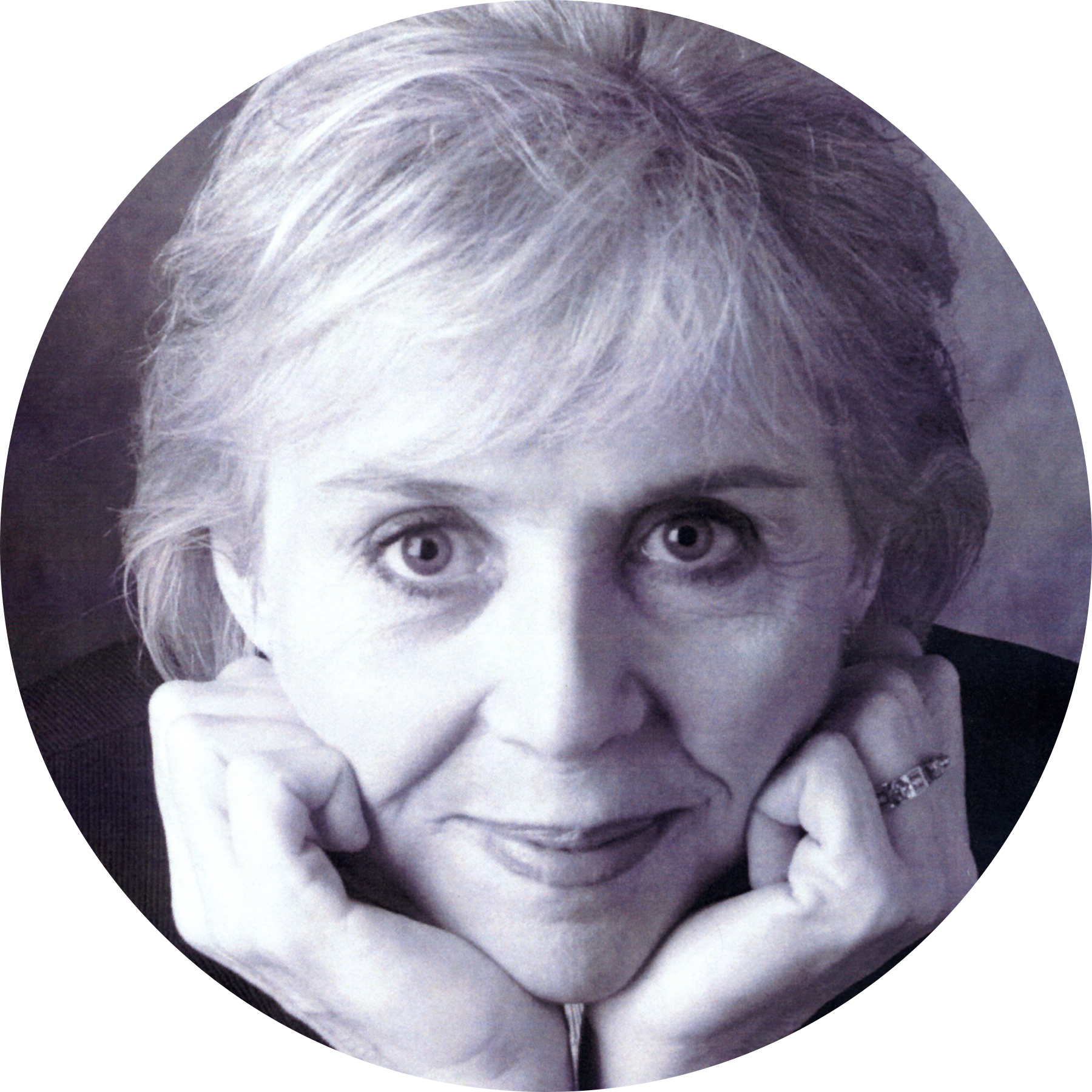
A grayscale portrait of an older woman with light hair, resting her chin on her hands and looking directly at the camera.

Sharon Vaughn

Sharon Vaughn, Ph.D., serves as the Manuel J. Justiz Endowed Chair in Education and the Executive Director of the Meadows Center for Preventing Educational Risk, an organized research unit that she founded with a Make-A-Wish gift the Meadows Foundation family. She’s the recipient of numerous awards, including the University of Texas Distinguished Faculty and Research Award (which she was the first woman to receive), the Council for Exceptional Children (CEC) Special Education Research Award, the American Educational Research Association’s Special and Inclusive Education Research Distinguished Researcher Award, and the Jeannette E. Fleischner Award for Outstanding Contributions in the Field of Learning Disabilities from CEC. She is the author of more than 40 books and 350 research articles, six of which have met the What Works Clearing House Criteria for their intervention reports. She has conducted technical assistance in literacy in more than 10 countries and 30 state Departments of Education and has worked as a literacy consultant on more than 50 technical assistance projects.

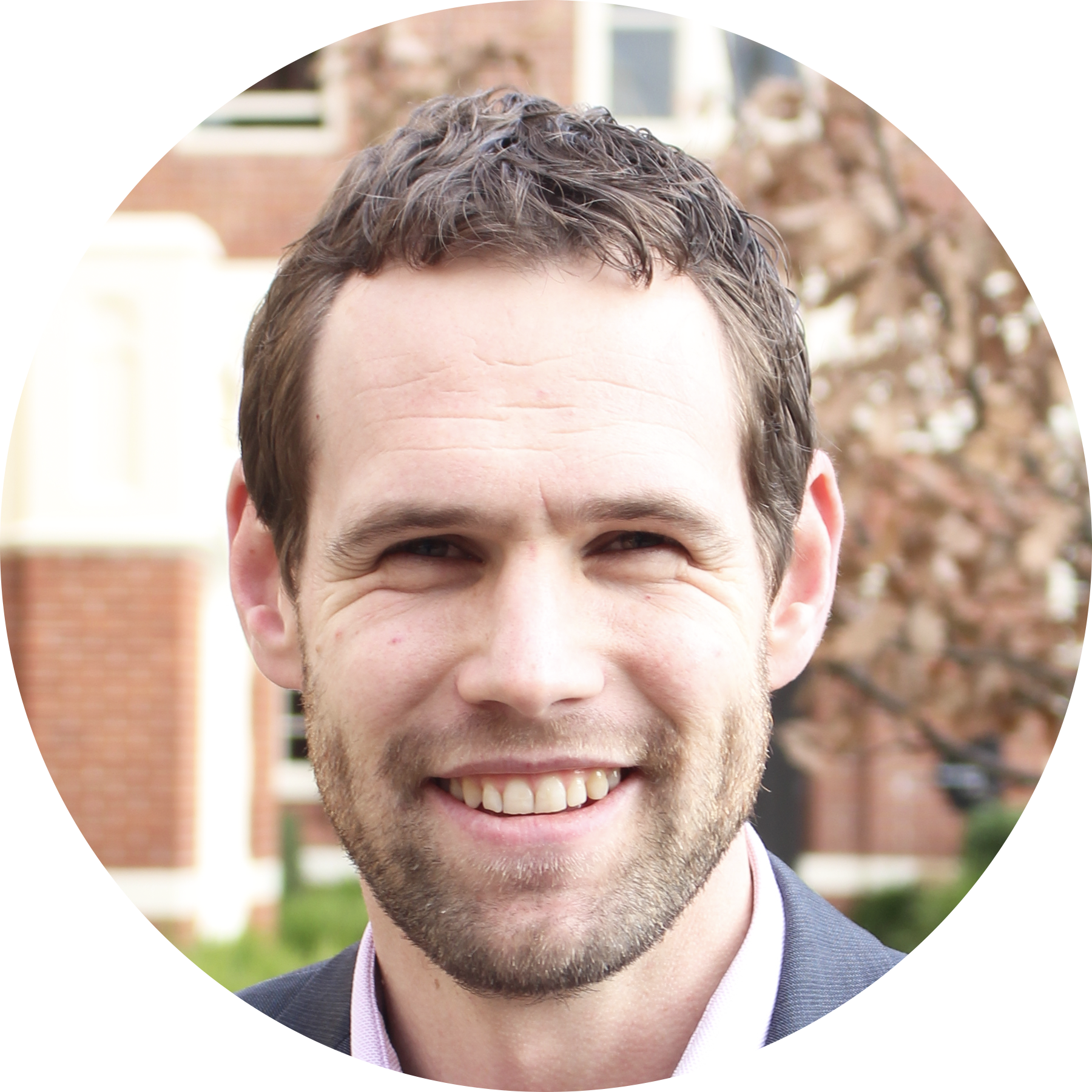
A man with short brown hair and a beard, wearing a suit jacket and light shirt, smiles outdoors in front of a brick building.

Reid Smith

Reid Smith, Ph.D., is an elementary school teacher and curriculum leader at a school in Australia. He holds a doctorate from La Trobe University’s Science of Language and Reading Lab, where his research focused on the contribution of background knowledge to the act of reading. He is also co-CEO of Ochre Education, a not-for-profit organization committed to closing educational gaps by providing teachers with free, high-quality curriculum materials.

Meet our host: Susan Lambert

Susan Lambert is Chief Academic Officer of Literacy at Amplify and host of Science of Reading: The Podcast. Throughout her career, she has focused on creating high-quality learning environments using evidence-based practices. Lambert is a mom of four, a grandma of four, a world traveler, and a collector of stories.

As the host of Science of Reading: The Podcast, Lambert explores the increasing body of scientific research around how reading is best taught. A former classroom teacher, administrator, and curriculum developer, she’s dedicated to turning theory into best practices that educators can put right to use in the classroom, and to showcasing national models of reading instruction excellence.

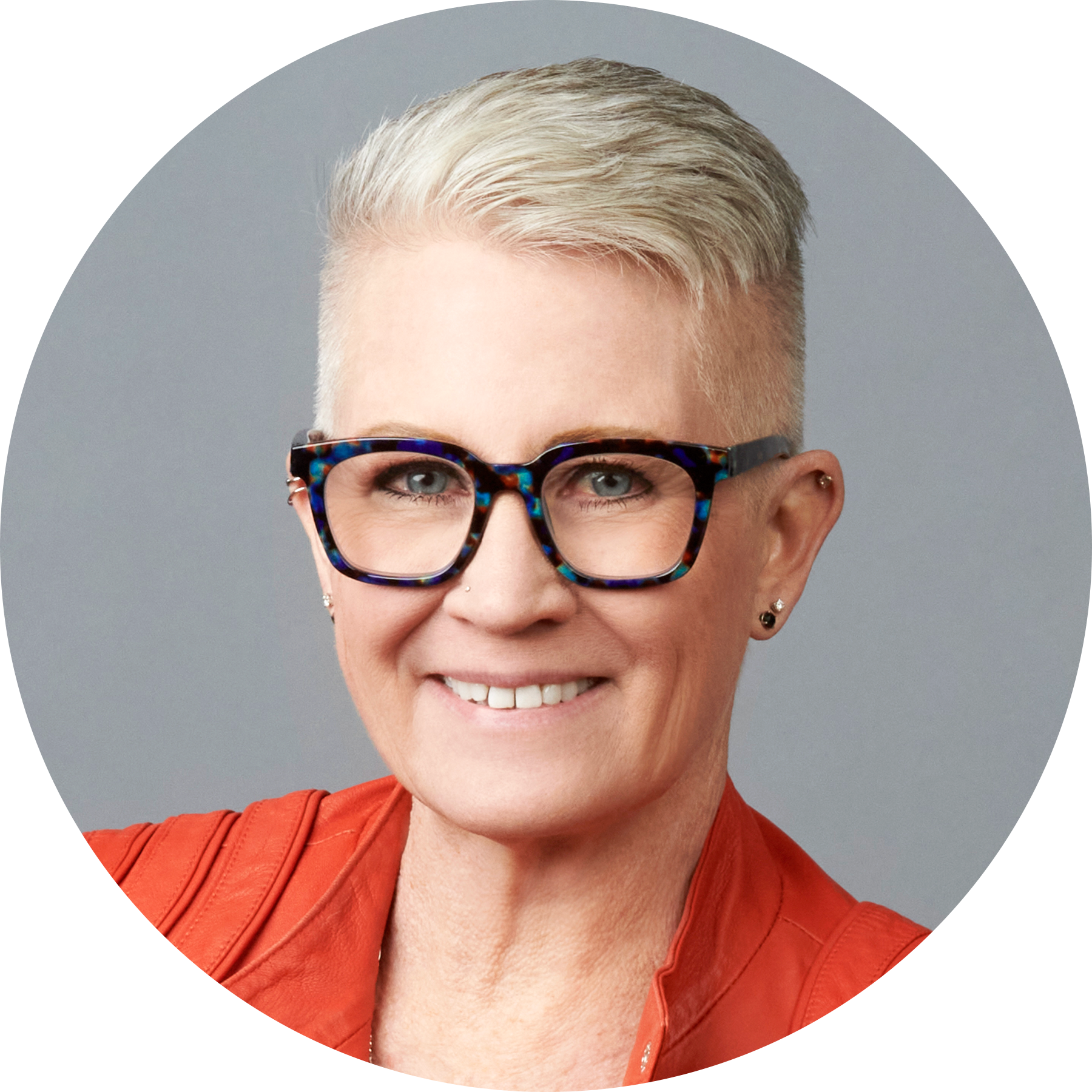
A person with short, light-colored hair, wearing dark-rimmed glasses, a red jacket, and small earrings, smiling at the camera against a neutral background.

Quotes

“ For the most part, if we're paying attention, if we can read words efficiently and know what they mean and have background knowledge, it yields comprehension.”

—Sharon Vaughn

“ Some people say that the purpose of reading is comprehension. It's not the purpose of reading. The purpose of reading is whatever you're comprehending it for.”

—Hugh Catts

 ”We often forget that an important consideration to comprehending text is actually the text itself. A rigorous, interesting, full-of-rich-information text is going to yield a different kind of interaction between the reader than something that is super easy, or a text that might be patterned, or what we might call a leveled text.”

—Susan Lambert

“[There’s] a strong literature base that tells us that one of the differences between poor readers and strong readers is their ability to notice when there are inconsistencies in the text, and have strategies that they can employ to resolve those inconsistencies.”

—Reid Smith

“This Essentials episode does not answer everything about comprehension. All we're doing here is building a foundation, understanding that comprehension isn't a skill, it's complex.”

—Susan Lambert

Season 10, Episode 9

From research to reality: Breaking down comprehension barriers, with Phil Capin, Ph.D.

In this episode of Science of Reading: The Podcast, Susan Lambert is joined by Phil Capin, Ph.D., assistant professor of education at the Harvard Graduate School of Education. They explore why recommended reading comprehension practices aren’t widely implemented in schools, and what educators can do to change that. Together, they also discuss how knowledge building is foundational to reading comprehension; how writing is a powerful tool in supporting reading comprehension; and why we should structure reading instruction based on what happens before, during, and after reading.
Meet Our Guest(s):

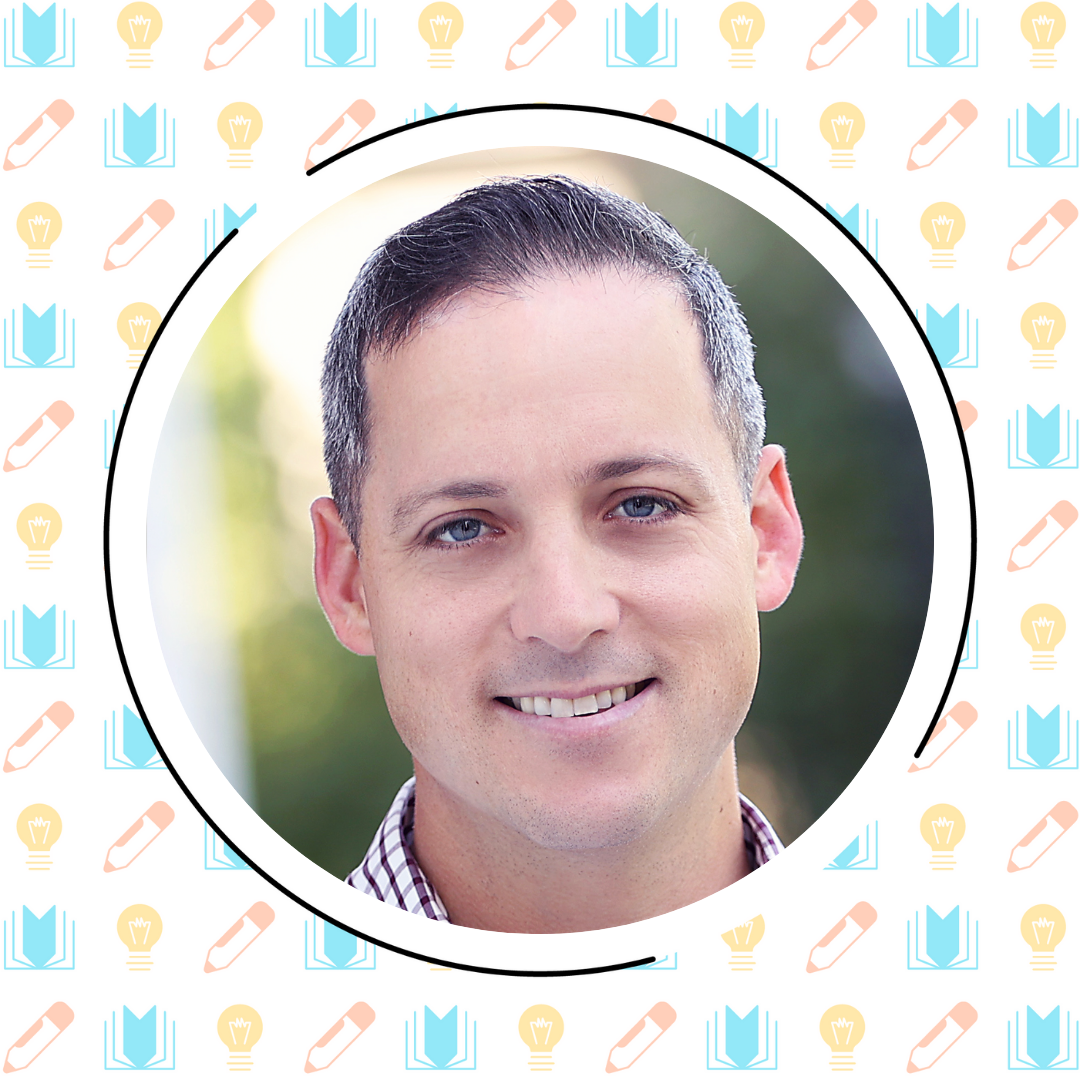
A man with short dark hair smiles at the camera inside a circular frame with an orange pencil graphic in the corner, highlighting his passion for effective reading comprehension practices.

Phil Capin, Ph.D.

Phil Capin, Ph.D., is an assistant professor at the Harvard Graduate School of Education. His research focuses on understanding differences in reading development and developing and evaluating the impact of instructional practices, primarily for those with reading difficulties. Supported by the grant from the Institute of Education Sciences and the National Institutes of Health, Capin has conducted randomized control trials examining instructional approaches for improvising reading opportunities and outcomes for students with reading difficulties in K–2 settings. As a former teacher, a primary goal of his work is to meaningfully address challenges faced by educators.

Meet our host, Susan Lambert

Susan Lambert is chief academic officer of literacy at Amplify and host of Science of Reading: The Podcast. Throughout her career, she has focused on creating high-quality learning environments using evidence-based practices. Lambert is a mom of four, a grandma of four, a world traveler, and a collector of stories.

As the host of Science of Reading: The Podcast, Lambert explores the increasing body of scientific research around how reading is best taught. A former classroom teacher, administrator, and curriculum developer, she’s dedicated to turning theory into best practices that educators can put right to use in the classroom, and to showcasing national models of reading instruction excellence.

Person with short blonde hair, glasses, and earrings, wearing an orange jacket, smiling in front of a plain gray background—committed to literacy education and fostering background knowledge for all learners.

Quotes

“Instead of asking, ‘What do you know about a topic?,' I would start with building their knowledge.”

—Phil Capin, Ph.D.

“We've underestimated the value of writing in supporting reading comprehension.”

—Phil Capin, Ph.D.

“Reading and writing rely on a lot of the same language processes, and writing supports the consolidation of knowledge.”

—Phil Capin, Ph.D.

“When I think of high-quality reading comprehension instruction, I think of before, during, and after.”

—Phil Capin, Ph.D.

“Reading comprehension is the byproduct of a constellation of competencies that are interrelated: your ability to read words, your knowledge of words, and your background knowledge on the topic of the text.”

—Phil Capin, Ph.D.

“Students should engage with meaningful problems, and they should have a reason for learning.”

—Phil Capin, Ph.D.

“It's really important that we help students to develop those foundational literacy skills, because it is just a fact that if you can't read the words, you're not going to understand the text.”

—Phil Capin, Ph.D.

“Reading comprehension will vary based on the knowledge you bring to the task, your interest in it, and your purpose for reading.”

—Phil Capin, Ph.D.